Increased water consumption worldwide has resulted in low-quality water resources utilized for crop irrigation in the agricultural sector; however, these sources tend to be contaminated. New research published in the MDPI sustainability explores whether the addition of nanofertilizers can enhance these water sources.
Here, the team investigated the effects of nanofertilizers on saline water sources in tomato crops.
Harmful Effects of Conventional Fertilizers
Owing to the extensive utilization of mineral fertilizers and pesticides, traditional fertilizers have produced several ecological threats, including food poisoning and soil deterioration.
Excess nitrogen in the air and water from fertilizers can cause respiratory problems, heart illness, and many malignancies, as well as hinder agricultural development and boost hypoallergenic pollen output.
Keeping in mind the low effectiveness of traditional fertilizer use (ranging from 20 to 40 %), a large proportion of these fertilizers eluted into aquifers and ultimately streams, causing financial damage, eutrophication, and public health complications.
Are Nanofertilizers a Viable Option?
Considering these limitations of conventional fertilizers, nano fertilizers are an advantageous alternative. Nanofertilizers are thought to be interesting substances because they exhibit the distinctive properties of nanoparticles at the nanoscale.
Many studies have found advantages regarding the usage of nanofertilizers on agricultural plants such as hay, soy, potatoes, maize, and oats. Benefits include improved quality of the fruit, production, and storability, as well as reduced nutrient leakage into the soil following harvesting of crops.
Iron, copper, selenium, and zinc are the most frequent minerals that are already used as nutrient-based nanofertilizers.
Why Quality of the Irrigation Water Matters?
Irrigation quality of water is a constraining element in the agriculture industry worldwide, with different irrigation water quality parameters such as salinity and sodium adsorption ratio (SAR), sodium, manganese as well as toxic substances.
When irrigation water has a high salt concentration and toxic substances, the water loses quality and accumulates in soil samples and produced crops. This problem has been exacerbated by the extensive use of wastewater in the cultivation of crops, which contains various toxins that may continue throughout the food chain.
Many substances, including hydrogel, biochar, and nanomaterials, have been used to purify water sources. Nanomaterials have been utilized to remove contaminants such as cadmium and chromium from polluted water; however, the usefulness of nanofertilizers in increasing the productivity of farmed plants watered with poor water quality requires additional investigation.
Why Tomato Plants?
Tomato plants (Solanum Lycopersicum L.) are regarded as one of the most important vegetable crops worldwide due to their great gastronomic and commercial importance, in addition to their nutritious significance. As a result of their high oxide concentration, tomatoes are naturally strong in antioxidants and may defend against prostate cancer as well as protect human skin from UV radiation.
This crop has a long growing season and high water demands, and it can yield under a variety of conditions, including salt stress, dehydration, copper neurotoxicity, and continual watering with salty water. As a result, the current study was designed to determine if nanofertilizers (Cu and Se), either individually or in combination, can reduce the influence of salty water on tomatoes’ productivity and quality.
Result Findings
Undertreatment with average quality of water and coupled nano-Se, the longest branch growth (69.8 cm) was attained. The maximum chlorophyll concentration (79.7 SPAD) was measured following nano-Se administration and watering with low-quality water.
Among all tested properties, the number of branches per plant was the only one that had a non-significant influence on vegetative development. The highest amount of fruit yield (2.07 kg plant-1) and total soluble solid content (9.24 %) was acquired under irrigated agriculture using low quality of water (IW3) and 100 mg L-1 of nano-Cu.
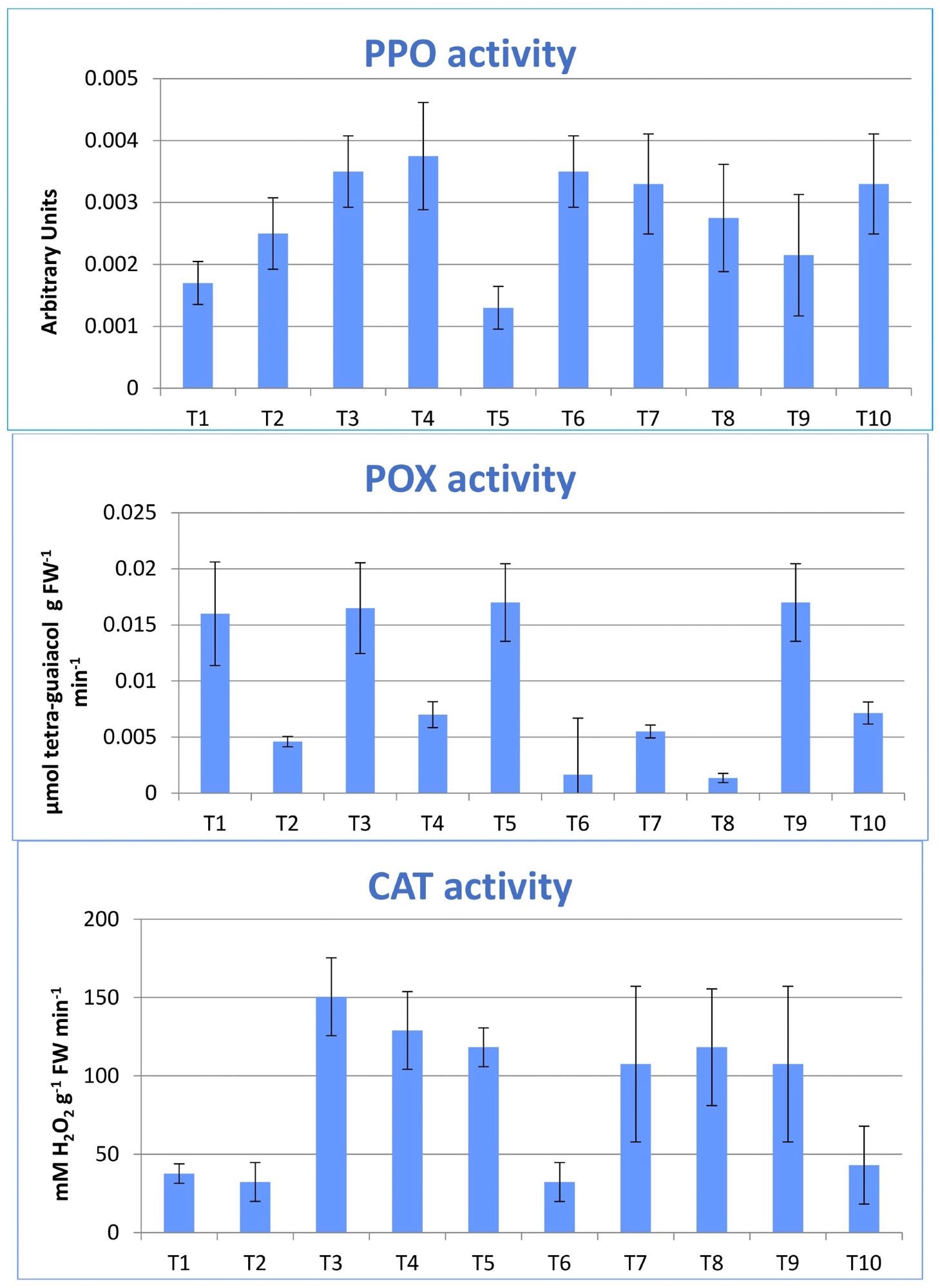
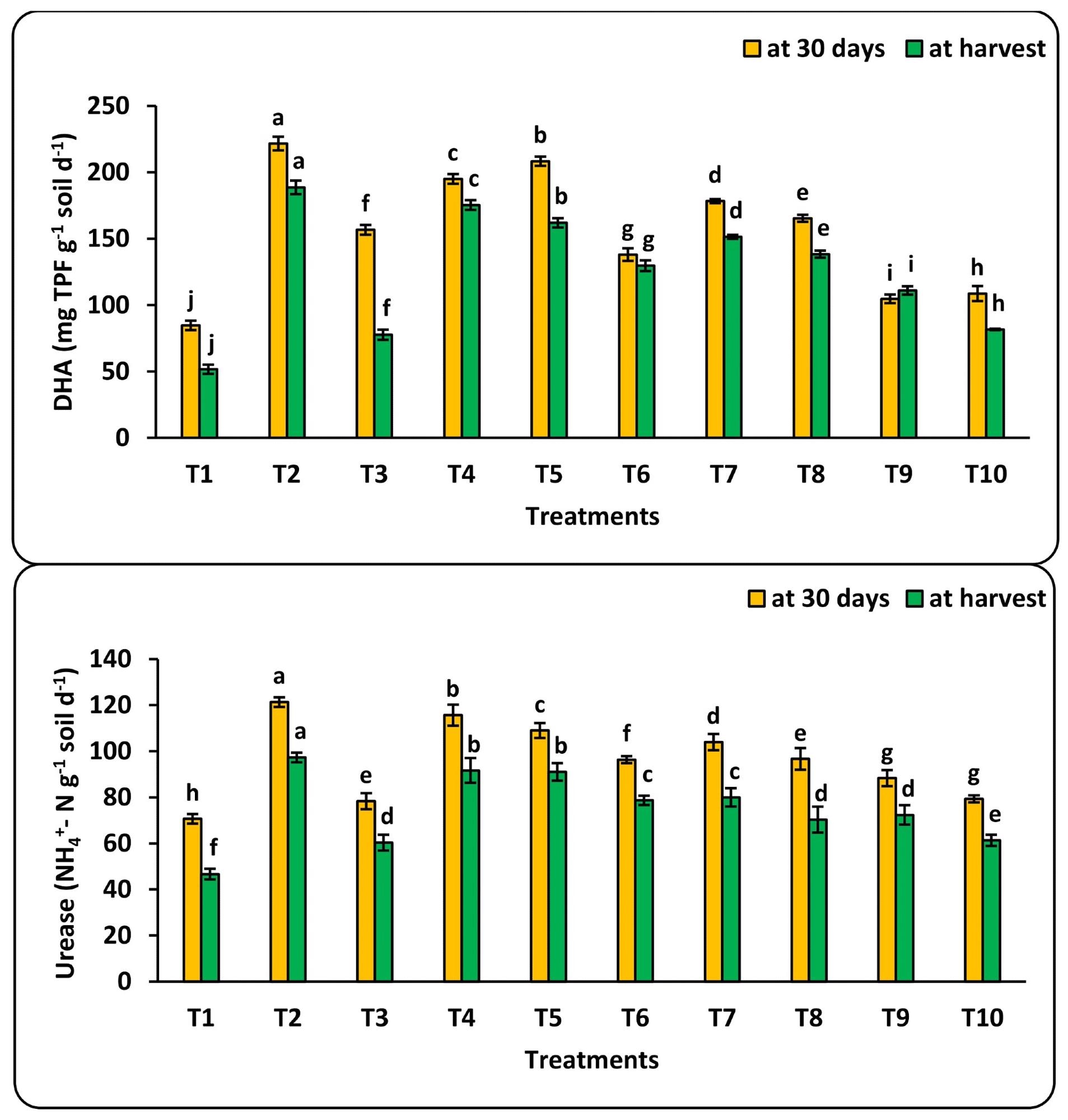
The highest value of vitamin C content (mg 100 g-1 FW) was achieved under fertigation using low water quality (IW3) and a combination of 100 mg L-1 of nano-Se and nano-Cu. Furthermore, the microbiological populations of bacterium, fungi, and actinobacteria increased after 30 days of transplantation and declined in all treatment at harvests due to the negative effect of poor irrigation water quality.
In short, the controlled utilization of bio-nano fertilizers was deemed successful in boosting the productivity as well as the quality of the produced crops.

News

After only a short training, people in a coma managed to send targeted signals
Researchers have succeeded in communicating with brain-injured patients who are unconscious. They see enormous potential in this for future treatments. Patients who lie motionless in bed after a severe brain injury and do not [...]
MIT Scientists Reprogram Immune Cells Inside the Body To Destroy Cancer
Natural killer cells reprogrammed inside mice eliminated lymphoma tumors and helped damaged livers heal, though whether this approach could help people with cancer or autoimmune disease remains unknown. To make a cancer treatment from [...]

Melanoma mRNA Vaccine Shows Promise in Preventing Disease Recurrence
Key takeaways: Phase 3 trial finds personalized intismeran plus pembrolizumab may better prevent high-risk melanoma recurrence after surgery The trial enrolled 1,137 patients and builds on phase 2 results showing about half the recurrence [...]
Scientists Discover a Powerful New Weapon Against a Dangerous Gut Infection
The promise of an experimental treatment for C. difficile gut infections lies partly in the bacteria it leaves alive, according to early laboratory and mouse research. Broad-spectrum antibiotics can disrupt the gut’s microbial community, [...]
Your Bones May Hold a Hidden Clue to Blood Cancer Survival
For people with blood cancers called myelodysplastic syndromes, osteoporosis may hold an overlooked clue to survival, a three-year observational study suggests. In blood cancers that develop in the bone marrow, an important clue to [...]

Researchers Discover What Reading for Pleasure May Be Doing to Your Brain
Reading for pleasure may offer surprising benefits for the brain, with research linking the habit to better mental health, stronger cognitive abilities, and a lower risk of dementia. Reading for pleasure may do far [...]
Scientists Discover a Hidden Trigger That Keeps Inflammation Alive
Inflammation persists after proteins detach from immune receptors, revealing a potential target for autoimmune treatments. Since a Nobel Prize-winning discovery in the 1990s identified molecules called Toll-like Receptors as the guardians of the human [...]
A Virus Gives Itself Away the Moment It Attacks
Researchers have found the trigger behind a powerful bacterial defense against viruses. Viruses that prey on bacteria could become an increasingly important tool for treating bacterial infections, particularly as antibiotic resistance makes some infections [...]
Scientists Discover Aspirin May Slash Dementia Risk by 70% – but Only for Certain People
Aspirin was linked to a sharply lower dementia risk in some older adults, and their genes may hold the clue. A Monash University analysis found that older adults with a particular genetic profile had [...]
Inflammation May Awaken Dormant Cancer Cells Years After Treatment
The body’s response to inflammation may disturb cancer cells that have been lying silent for years, giving them an opportunity to grow again. Researchers at the Francis Crick Institute have found that gut inflammation [...]

Where do nanoparticles go once they enter the body?
New international best practice guidance, co-written at ANSTO, sets out how to measure where nanoparticles like titanium dioxide end up in the body and how long they remain. The guidance has been shared by [...]

Long-Acting HIV Shots Could Solve a Major Treatment Challenge for Young People
A major African trial suggests that changing how HIV treatment is delivered could significantly improve viral suppression in adolescents. Young people with HIV were more likely to keep the virus suppressed when they received [...]

WHO Factsheets – The top 10 causes of death
In 2023, the 10 leading causes of death accounted for 33 million deaths, or 54% of the total 61 million deaths worldwide. The top global causes of death, in order of total number of lives lost, [...]
Aging Cells May Be Hiding From the Immune System – Scientists Think They Know How
Your immune system is supposed to clear out damaged cells. Researchers may have found how some of them hide and linger as the body ages. Researchers led by Cedars-Sinai Health Sciences University have identified [...]

Your Voice May Reveal How Fast Your Brain Is Aging
Researchers have developed a machine-learning “speech clock” that estimates age from subtle patterns in how people speak and what they say. It is possible that people’s voices may contain certain signals of aging that [...]

Optogenetics Pioneers Win 2026 Nobel Prize in Physiology or Medicine
The 2026 Nobel Prize in Physiology or Medicine has been awarded to Peter Hegemann, Georg Nagel, and Karl Deisseroth for the development of optogenetics, a revolutionary technology that uses light to control individual neurons [...]