Antimicrobial peptides (AMPs) have a broad spectrum of antimicrobial activity and lyse microbial cells by interaction with biomembranes, offering great potential in designing new therapeutics. The antimicrobial resistance (AMR) caused due to overuse of antibiotics can be circumvented by using AMPs as alternatives to antibiotics.
The rod-shaped chitosan nanocrystals are polysaccharide-based nanomaterials obtained by deacetylation of marine biomass waste. The primary amino group on the surface of chitosan nanocrystals helps in surface functionalization, tuning their surface properties. An article published in the journal Carbohydrate Polymers presented a new methodology to functionalize the chitosan nanocrystals with peptides and amino acids via solid phase peptide synthesis.
The resulting rod-shaped functionalized chitosan nanocrystals were characterized using dynamic light scattering (DLS), nuclear magnetic resonance (NMR), transmission electron microscopy (TEM) imaging, and zeta potential measurements. This synthetic strategy can be designed to generate target-specific nanomaterials based on chitosan nanocrystals through the attached peptides on the surface of the nanomaterials.
Chitosan Nanoparticles and Solid-Phase Peptide Synthesis
Chitosan, also known as deacetylated chitin, is a natural polycationic linear polysaccharide derived from the partial deacetylation of chitin. Chitosan is composed of β-(1-4)-linked d-glucosamine and N-acetyl-d-glucosamine that are randomly distributed within the polymer.
The cationic nature of chitosan is rather unique, as most polysaccharides are usually either neutral or negatively charged in an acidic environment. Besides, chitosan is reported to have other biological properties, such as antitumor, antimicrobial, and antioxidant activities.
Chitosan nanoparticles combine the natural properties of polymers with tunable sizes and the possibility of surface modification according to requirements. Thus, chitosan nanoparticles are a promising and versatile strategy to overcome most active ingredients’ bioavailability and stability issues.
Chitosan nanoparticles are highly important in nanomedicine, biomedical engineering, and the discovery and development of new drugs. They are used to create new release systems with improved bioavailability, increased specificity and sensitivity, and reduced pharmacological toxicity of drugs.
Chitosan nanocrystals are rod-shaped nanomaterials of 100-200 nanometers in length and 5-20 nanometers in width, formed by the deacetylation of chitin nanocrystals. These nanocrystals are nontoxic materials with a large surface area, high mechanical strength, and tunable colloidal and self-assembly behavior in aqueous media, making them suitable for several downstream applications in nanomedicine drug delivery, food packaging, and the papermaking industry.
Because of their cationic and nanometre dimensions, several reports have mentioned chitosan nanoparticles in drug delivery systems. The primary amino groups present on the surface of the chitosan nanomaterial facilitated surface functionalization to impart tunable properties to the chitosan derivatives.
Solid-phase peptide synthesis is a popular method for synthesizing peptides of various lengths. This involves the successive addition of protected amino acid derivatives to a growing peptide chain immobilized on a solid phase, including deprotection and washing steps to remove unreacted groups and side products, resulting in the formation of a predetermined peptide moiety.
Chitosan Nanocrystals Decorated with Amino Acids and Peptides
The present study developed a new strategy to functionalize chitosan nanocrystals with peptides and amino acids of different lengths using a fundamental solid-phase peptide synthesis method. In addition to the tunable properties of chitosan nanocrystals owing to the presence of amino functional groups on the nanomaterial surface, the chitosan nanocrystals also have an intrinsic morphology and nanometre size, which facilitates their use as a scaffold.
Here, solid-phase peptide synthesis involves assembling the peptide chain through a series of coupling and decoupling reactions of amino acids on an insoluble resin, followed by cleavage of the desired peptide chain from the resin.
Furthermore, the insolubility of chitosan nanocrystals under the reaction conditions of peptide coupling enabled the treatment of nanomaterials and resins similarly. Moreover, the reactivity of the amino groups on the nanomaterials was utilized to anchor amino acid residues.
The formation of the functionalized rod-shaped nanomaterials was characterized using NMR, DLS, microscopy, and zeta potential measurements. While NMR results confirmed the esterification of chitosan during the reaction with amino acids, TEM images showed well-dispersed rod-like particles, indicating that the surface chemical modification did not affect the structure and morphology of the nanocrystals. Thus, the present synthetic strategy could have promising applications in designing chitosan nanocrystals with target specificity.
Conclusion
Overall, a new methodology was developed to modify the surface of chitosan nanocrystals by utilizing peptides and amino acids of different lengths via solid-phase peptide synthesis. This strategy used the primary amine functional groups present on the surface of chitosan nanocrystals and carboxyl groups of amino acid residues in organic solvents to produce peptide-modified chitosan nanocrystals.
The relative insolubility of chitosan nanocrystals in organic solvents makes the synthesis of chitosan nanocrystals convenient through a series of stepwise deprotection and coupling steps. The rod-shaped morphology, nanometer size, and tunable properties of chitosan nanocrystals impart them with target specificity by attaching bioactive peptides to the surface of nanomaterials.

News
Cocaine plays with mind, hijacks brain circuit, drives increasingly rigid and repetitive behavior
Researchers have found that cocaine hijacks brain circuit, which to drive increasingly rigid and repetitive behavior. The brain circuit that normally participates in selecting natural mouth and face movements, but which becomes disproportionately engaged [...]
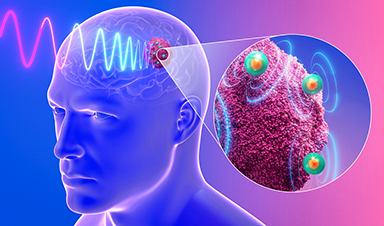
Injectable nanodevices could provide effective treatment for drug-resistant glioblastoma
The brain cancer glioblastoma is one of the most aggressive and treatment-resistant cancers known to medicine, carrying a median survival of just 12-15 months, even with the best available care. Now, researchers at the [...]
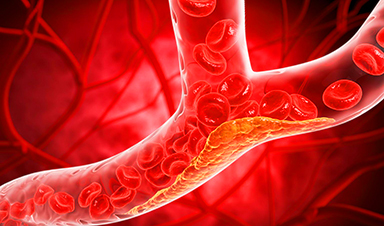
New Treatment Cuts “Bad” Cholesterol in Half for a Full Year
A single infusion of an experimental CRISPR-Cas9 therapy was reported to safely lower LDL cholesterol by 52.5% and triglycerides by 47.8%, as measured 12 months after treatment. What if one infusion could keep cholesterol [...]
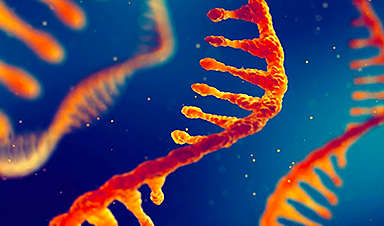
Too Much RNA Can Drain a Cell’s Energy, Scientists Discover
A virus may cripple a cell’s power supply simply by producing too much of a molecule the cell needs to survive. New research from the Texas A&M College of Veterinary Medicine and Biomedical Sciences [...]

West African scientists warn of weakening health systems and urge stronger outbreak detection
LOME, Togo (AP) — West African laboratory scientists called on governments Friday to strengthen capacity to detect disease outbreaks to avoid another major outbreak, saying health systems across the region are becoming weaker. Participants [...]

A Little-Known Protein Could Point to a New Way To Treat Alzheimer’s
A study suggests that increasing SORLA protein levels could help treat Alzheimer’s disease and other disorders involving tau protein. Increasing SORLA, a protein with a protective role in the brain, helped mice withstand damage [...]
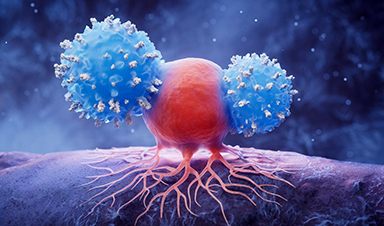
Cancer’s Hidden Antioxidant Shield Helps It Escape the Immune System
Blocking an antioxidant protein that tumors use to suppress immune attacks improved cancer immunotherapy responses in mice. Cancer cells can release antioxidants that interfere with the immune cells trying to kill them. Researchers have [...]
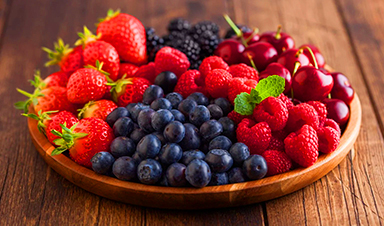
Scientists Find a Berry Compound That Helps Muscle Cells Burn Fat
Pterostilbene, a compound found naturally in some foods, affects how skeletal muscles process fats by stabilizing a protein called PPARδ and increasing its signaling activity. Pterostilbene, a natural compound found in blueberries, grapes, and [...]
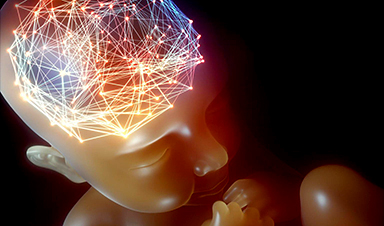
Two Hidden Forces Help Build the Human Brain Before Birth
Scientists have uncovered two surprising forces that help guide how the human brain forms before birth. Before birth, the human brain is shaped in large part by an unusual class of stem cells known [...]
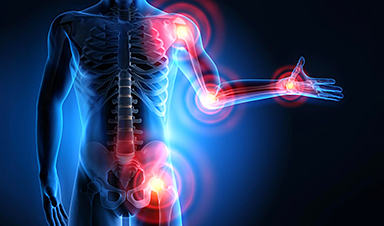
Researchers Uncover a Hidden Trigger Behind Chronic Inflammation
The findings offer new insights that could help guide the development of future therapies. A protein called human resistin may help flip on one of the immune system’s most powerful inflammatory switches. Researchers at [...]
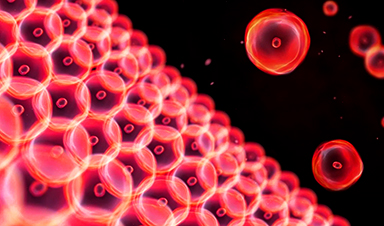
Scientists Have Uncovered Previously Hidden Microbial Activity on Human Skin
The most abundant microbes on your skin may not be the ones doing most of the work. Human skin supports vast communities of bacteria, fungi, and viruses that can influence its protective barrier, immune [...]
Brazilian Tree Compounds Fight COVID-19 on Multiple Fronts
Scientists found compounds in a Brazilian tree that hit SARS-CoV-2 on multiple fronts, revealing a promising new lead in the search for COVID-19 treatments. Researchers have found that galloylquinic acids extracted from the leaves [...]
Cutting Two Amino Acids Slowed Prostate Cancer in Mice
A newly identified link between amino acid metabolism and cholesterol production may help prostate tumors adapt to hormone therapy. Prostate cancer can find ways around treatments designed to deprive tumors of the hormones they [...]
Largest-Ever Physics Survey Raises New Doubts About Our Model of the Universe
Physicists around the world remain deeply divided on key mysteries of the universe, from dark matter to quantum gravity. The standard cosmological model failed to gain majority support, and no leading theory dominated the [...]
Scientists Just Overturned a 100-Year-Old Belief About Bacteria in the Lungs
New findings raise questions about the role of microbes living in the lungs. More than 35 trillion bacteria live throughout the human body, forming microbiomes in the gut, mouth, lungs, skin, and urogenital tract. [...]

GHCE Concept
From the preface of the book Global Health Care Equivalency in the Age of Nanotechnology, Nanomedicine and Artificial Intelligence, Edited by Frank Boehm: Since the publication of my first book (Nanomedical Device and Systems [...]