Last month marked continued progress as digital health moves into its next phase — from AI expanding into drug discovery and core infrastructure to new federal pathways accelerating device access and home-based care. Together, these shifts signal a turning point toward real-world scale.
Here’s a closer look at the key developments driving that momentum.
Technology, News, and Insights
CMS Launches First Wave of HealthTech Ecosystem Tools, Fast‑Tracking a Fully Digital, Patient‑Centered Health System
CMS introduced the first wave of its HealthTech Ecosystem initiative, rolling out new interoperable tools, a Medicare app library, and patient-facing applications designed to streamline how individuals access and manage their health data. The effort brings together hundreds of organizations aligned around shared standards for identity, security, and data exchange.
Read the full CMS press release here >>
Self-Powering Smart Fabrics Signal Next Phase of Wearables
Researchers are developing sensor-embedded fabrics that can track health metrics like heart rate, respiration, and temperature while generating power from body heat and movement. The technology could be integrated into everyday clothing, yoga mats, wristbands, or even bedsheets, enabling continuous tracking without the need for charging or standalone devices.
This points to a broader shift from device-based wearables to ambient health monitoring, where data collection becomes passive, always-on, and embedded into daily life.
Read the full TechRadar article here >>
OpenAI Partners with Novo Nordisk to Accelerate AI-Driven Drug Discovery
Novo Nordisk announced a strategic partnership with OpenAI to integrate advanced AI across its drug development pipeline, using large-scale data analysis to identify new drug candidates and accelerate time from research to patient delivery. The collaboration will also extend into manufacturing, supply chain, and commercial operations, signaling a broader shift toward end-to-end AI integration in pharma.
Read the full MobiHealthNews article here >>
Policy and Regulatory
FDA to Review Peptides for Potential Compounding Access in July Advisory Meeting
The FDA announced it will convene the Pharmacy Compounding Advisory Committee (PCAC) on July 23–24 to evaluate whether seven peptides should be added to the 503A bulk drug substances list. A key step that would allow licensed 503A pharmacies to compound them with a valid, patient-specific prescription. The substances under review include peptides tied to conditions like obesity, wound healing, inflammation, and sleep disorders.
Read the full FDA announcement here >>
FDA Launches READI-Home Innovation Challenge to Advance Home-Based Care
The FDA introduced the READI-Home Innovation Challenge, a new initiative aimed at accelerating development of medical devices designed for use in the home to reduce hospital readmissions. The program invites innovators to submit technologies that support patients and caregivers following acute care episodes, with a focus on improving outcomes and preventing avoidable returns to the hospital.
Read the full FDA announcement here >>
CMS and FDA announce RAPID Pathway to Accelerate Medical Device Coverage
CMS and the FDA introduced the RAPID (Regulatory Alignment for Predictable and Immediate Device) coverage pathway, designed to speed up Medicare access to breakthrough medical devices by aligning regulatory approval and reimbursement processes. The program enables earlier collaboration between regulators and manufacturers so that clinical evidence generated for FDA review can also support Medicare coverage decisions.
Read the full FDA announcement here >>
DOJ Moves to Reclassify Medical Marijuana, Expanding Access and Research Pathways
The Department of Justice announced it will place FDA-approved and state-regulated medical marijuana products into Schedule III, a move that recognizes their medical use while maintaining federal oversight. The decision expands access to approved therapies, supports state programs, and enables broader research into safety and efficacy — alongside an expedited process to evaluate full federal rescheduling.
Read the full DOJ announcement here >>
Read more at Openloop!

News – Curated by Amanda Scott, Alias Group Creative
Follow her on Bluesky

Electrostatic Discharge Boosts Triboelectric Nanogenerator Current and Enables DC Output
Controlled electrical discharges could enable triboelectric nanogenerators to achieve higher peak currents, extending nano-enabled energy harvesting into chemical processing and self-powered sensing. Paper: Electrostatic discharge as a breakthrough strategy for triboelectric nanogenerators. A new review [...]
Swiss laboratory uses old drugs against rare diseases
Researchers at the University of Geneva are combing through collections of approved drugs to find new therapies for rare diseases – with some success. This approach is gaining traction around the world, while pharmaceutical [...]

Nanozyme Aptasensors Show Promise for Faster Food, Health, and Environmental Testing
By pairing robust artificial enzymes with highly selective aptamers, nanozyme aptasensors could help detect disease biomarkers, pathogens, and contaminants faster, but the review shows that real-world deployment still depends on overcoming matrix interference, biofouling, [...]
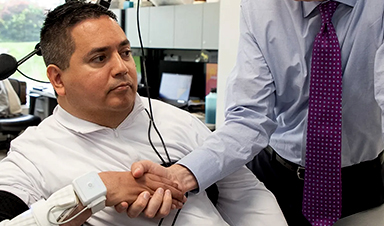
Paralyzed Man Feels Sensation Again With Brain Stimulation Device
Aneuroprosthetic system has allowed a man with paralysis to grasp and lift objects and feel touch again. The device helped 42-year-old Keith Thomas of Massapequa, New York, who was paralyzed from the chest down [...]
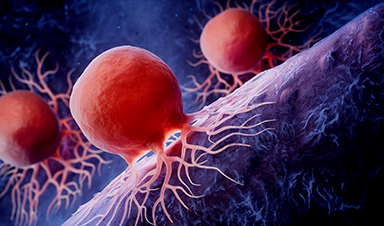
Global Cancer Cases Could Surge 67% by 2050, New Report Warns
New data reveal major geographic disparities and highlight the urgent need for global action on prevention, early detection, and equitable access to treatment. For roughly one in five people worldwide, cancer will become part [...]
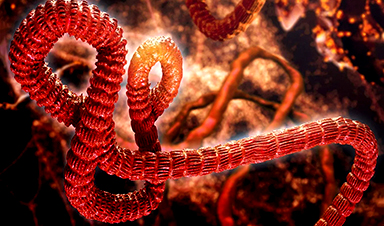
A Deadly Ebola-Like Virus Is Spreading. Are We Ready?
BU virologist Nancy Sullivan says the Bundibugyo outbreak in the Democratic Republic of the Congo underscores the need for broader outbreak preparedness. The death of a nurse marked the moment health officials recognized that [...]
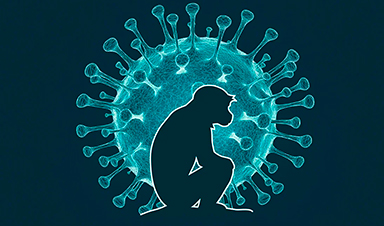
Why Most Animal Viruses Never Become Human Pandemics
From receptor mismatch to risky human-animal interfaces, this article explains why spillover is common but true pandemic emergence remains rare. Introduction Humans are constantly exposed to animal viruses through farming, wildlife contact, and the [...]

Stem cell organoids repair heart microvessels in coronary artery disease models
A Stanford University team has shown that vascular organoids derived from human stem cells can repair the heart’s microvessel network in pigs with ischaemic heart disease – a proof-of-concept advancement that could open new therapeutic [...]

Goodbye GP waiting rooms, hello prevention at home
Prevention is suddenly everywhere in NHS reform. The recent £340m community pharmacy deal is moving more services onto the high street. Community Diagnostic Centres are being expanded, and the Neighbourhood Health Framework sets out [...]
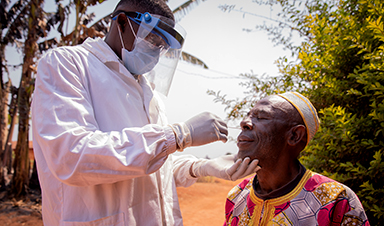
Ebola control is weakened by mistrust and cultural insensitivity
Effective response depends on cooperation with communities and frontline workers, writes Zaeem ul Haq The current Bundibugyo Ebola outbreak in the Democratic Republic of the Congo (DRC) and Uganda is exposing dangerous gaps in [...]

Building the Brain Requires Millions of Dangerous DNA Breaks
Scientists discovered that building a healthy brain involves an unexpected step: young neurons routinely break and rapidly repair their own DNA. As the brain develops, newly formed nerve cells must travel through tightly packed tissue [...]

One Tiny Change May Explain How Viruses Jump From Bats to Humans
Scientists found that one tiny genetic change may determine whether a bat virus stays in bats or becomes a human threat. Most infectious disease outbreaks begin when a virus or other pathogen crosses from animals into [...]

Scientists Discover 250+ Genes That Could Lead to New Ways To Prevent Melanoma
The world’s largest study of mole genetics identified hundreds of genes tied to melanoma risk, uncovering potential new drug targets and paving the way for more accurate melanoma screening and prevention. Researchers at QIMR [...]
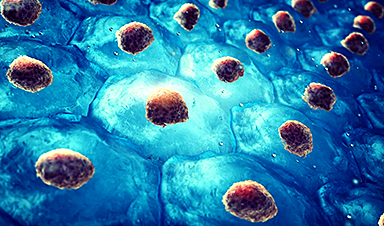
Breakthrough Diabetes Treatment Reprograms the Immune System
An engineered stem cell therapy reversed new-onset Type 1 diabetes in mice by shifting the immune system away from attacking insulin-producing cells. For more than a century, people with Type 1 diabetes have relied [...]
Taking the world’s temperature: WHO chief spotlights global health emergencies
Taking the world’s temperature on pressing health matters, WHO Director-General Tedros Adhanom Ghebreyesus provided the latest on current global challenges - and successes when it comes to international cooperation. “The outbreaks of hantavirus, Ebola and Marburg all show [...]
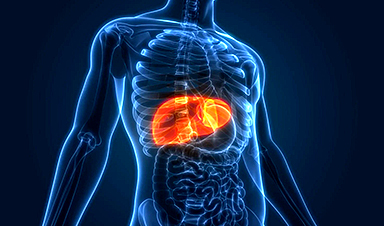
Scientists Create Tiny “Mini Livers” That Could One Day Replace Liver Transplants
Engineered tissue grafts could help perform key liver functions and benefit thousands of people living with liver failure. The liver is one of the body’s hardest-working organs, carrying out hundreds of vital jobs, from [...]